Why Deadbolt Installation Matters More Than Most Homeowners Realize
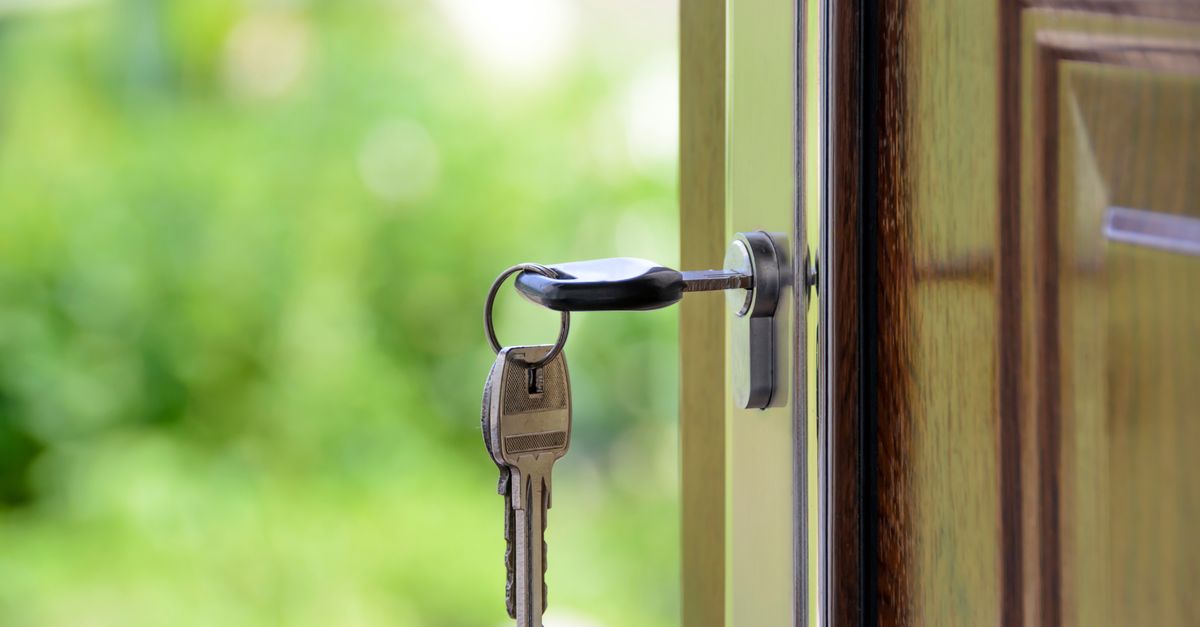
A standard spring-latch door knob lock is convenient, but it offers surprisingly little resistance to a determined intruder. Deadbolts work on an entirely different mechanical principle: a hardened steel bolt that extends deep into the door frame's strike plate, requiring a full rotation of the key or thumb-turn to retract — there is no spring to push back, no way to slip it with a credit card. That difference in mechanism translates directly into a difference in how long it takes to defeat a lock, and time is the single biggest deterrent to forced entry. Properly installed, a quality deadbolt can add minutes of resistance that most opportunistic burglars simply will not spend.
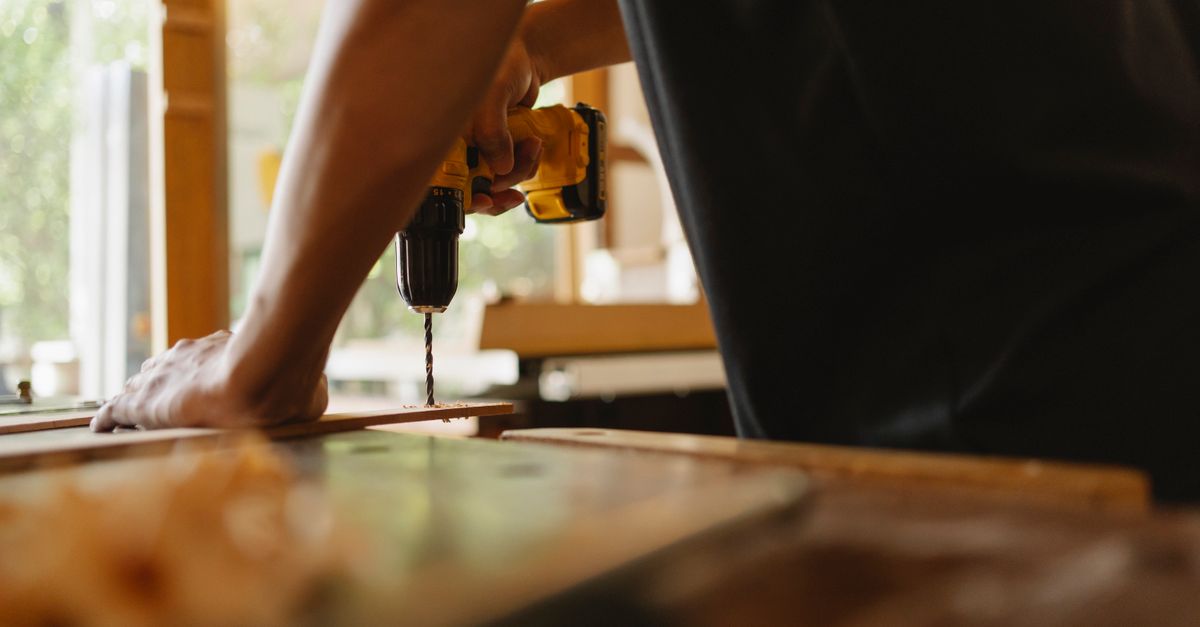
The word 'properly' carries a lot of weight here. Even a high-grade Schlage or Kwikset deadbolt loses much of its value if the bore hole is off-center, the strike plate is anchored with short screws, or the bolt does not align cleanly with the keep. These are the kinds of installation details that our experienced technicians check on every single job — making sure the lock seats flush, the bolt travels its full throw, and the door closes squarely before we ever leave the property.